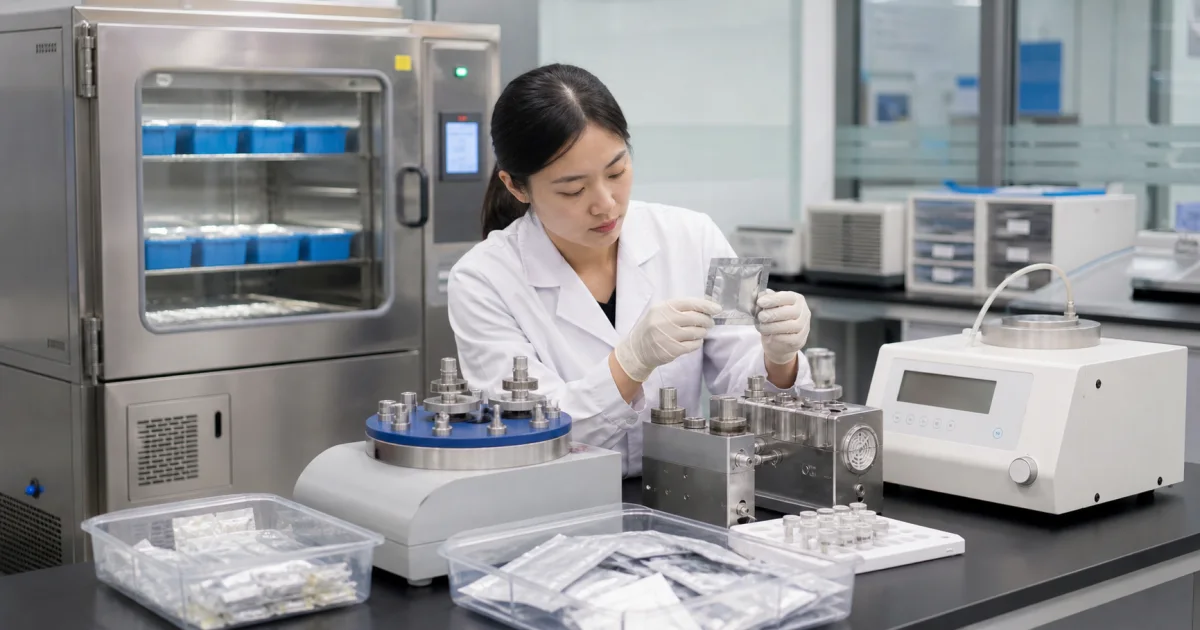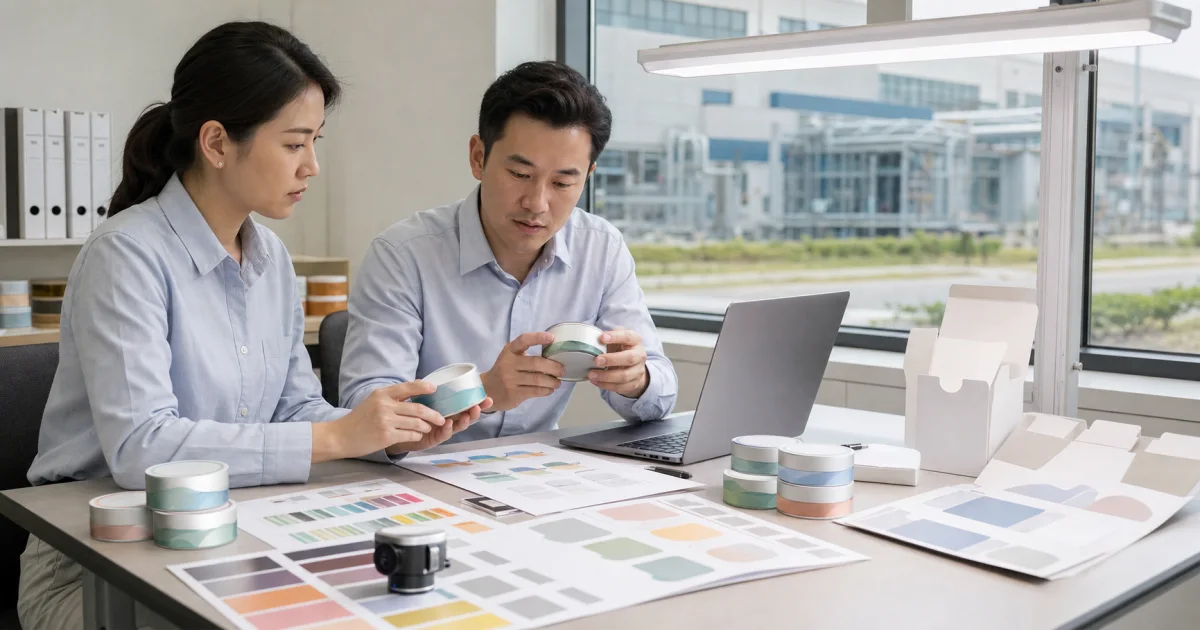
Finding a low MOQ private label ODF manufacturer is not simply a search for the smallest production number. A workable startup project aligns film formulation, pilot casting, individual sachets, testing and regulatory review so that a small first order can still become a repeatable commercial product.
Updated for 2026. This B2B guide is for wellness startups, importers and distributors evaluating caffeine ODF, melatonin ODF or other technically feasible orodispersible-film concepts.
What Determines ODF MOQ?
| MOQ driver | Why it matters | Lower-risk approach |
|---|---|---|
| Film casting setup | Mixing, coating, drying and cleaning require a minimum practical batch | Use a validated film size and base system |
| Active ingredient | Special procurement or low-dose handling can add minimums | Select qualified, regularly stocked materials where suitable |
| Printed sachet laminate | Converters impose roll and printing minimums | Use a standard sachet size or short-run print route |
| Retail cartons | Offset printing becomes expensive at small volume | Use digital cartons for the pilot launch |
| Analytical testing | Core test costs do not fall proportionally with batch size | Budget testing separately instead of removing necessary controls |
| Stability work | Formula and package require shelf-life support | Freeze the commercial formula before starting the program |
Low MOQ Does Not Mean Skipping Validation
A pilot order still needs an approved formula, finished-film specification and release plan. Removing content-uniformity, microbiology or packaging-integrity checks can create more risk than the small order saves. The goal is to simplify unnecessary variations while retaining controls that make the product identifiable, consistent and suitable for its intended market.
Choose White Label or Custom Formula
| Route | Best fit | Trade-off |
|---|---|---|
| Existing white-label formula | Faster market test with fewer development variables | Less differentiation and limited formula changes |
| Semi-custom formula | New flavor, appearance or packaging using a proven base | Some pilot and stability work still required |
| Fully custom ODF | Distinct active system or technical positioning | Higher development cost, longer timeline and potentially higher MOQ |
Startups often benefit from a semi-custom route: retain a technically proven film former and sachet size while adjusting a small number of commercially meaningful variables.
A Practical Sample Sequence
- Feasibility sample: confirms that the active load and film system can be cast and handled.
- Sensory prototypes: compare controlled flavor and sweetness variations.
- Pilot-line sample: evaluates representative mixing, drying, slitting and unit variation.
- Packaged sample: confirms sachet opening, sealing, carton fit and label layout.
- Pre-production approval: locks the formula, specifications, artwork and testing plan.
Feedback should use sample codes and measurable instructions. “Make it better” is less useful than “reduce cooling, keep sweetness unchanged and compare two film thicknesses.”
Cost Breakdown for a Startup ODF Project
| Cost group | Typical contents |
|---|---|
| Development | Feasibility review, bench work, flavor trials and pilot casting |
| Raw materials | Active, film former, plasticizer, flavors and permitted auxiliaries |
| Manufacturing | Mixing, casting, drying, slitting, inspection and packing |
| Testing | Assay, uniformity, disintegration, moisture, microbiology and relevant contaminants |
| Packaging | Sachet laminate, printing, cartons, coding and shipping cases |
| Compliance | Classification, formula review, label review and required registrations |
Ask suppliers to separate these groups in the quotation. A very low unit price may exclude development, tests, artwork setup or commercial packaging.
How to Reduce Packaging MOQ
- Use one validated sachet dimension across the initial range.
- Launch one product before adding multiple flavors or doses.
- Consider digitally printed cartons for market testing.
- Keep the same carton footprint across future SKUs.
- Avoid unnecessary foil colors and finish combinations.
- Confirm whether blank sachets plus secondary labeling are legally and technically suitable.
Review barrier, seal and artwork requirements in our ODF sachet packaging guide.
Regulatory Planning Before Paying for Samples
The buyer should identify the destination country, intended product classification, active target, proposed serving directions and claims before approving development. Caffeine limits and warning statements vary. Melatonin may be a supplement in one market and a medicine or therapeutic product in another.
Technical feasibility does not establish legality. Budget for qualified regulatory review before printing commercial packaging.
Supplier Qualification Checklist
- Can the manufacturer explain its mixing, casting, drying and slitting controls?
- Are commercial samples made on representative equipment?
- How are film weight, thickness and active uniformity controlled?
- Which tests are included with every batch?
- What supports the proposed shelf life?
- Who qualifies the sachet laminate and sealing process?
- How are deviations, changes and complaints handled?
- Are retained samples stored for each commercial lot?
- Which costs and minimums apply separately to film, sachets and cartons?
- Who owns the approved formula and artwork?
A Three-Stage Launch Plan
Stage 1: Validate. Select one formula and one packaging format, complete compliance review and test demand with a controlled pilot quantity.
Stage 2: Improve. Use reorder, complaint and stability data to refine packaging or flavor without changing multiple variables at once.
Stage 3: Scale. Negotiate printed-material and production efficiencies only after the commercial specification and demand are stable.
Explore our Caffeine ODF, Melatonin ODF and 2026 private-label ODF manufacturing guide.
Frequently Asked Questions
What is a realistic low MOQ for private-label ODF?
There is no universal number. Film batch size, sachet printing, carton method, testing and formula complexity all affect the commercial minimum.
Is white label always cheaper than custom ODF?
It is usually faster and requires less development, but packaging, testing and market compliance costs still apply.
Can testing be shared across several flavors?
Only where scientifically and regulatorily justified. Different flavors or ingredients can change stability, assay interference and microbiological risk.
Which SKU should a startup launch first?
A single clearly positioned formula with a standard sachet and carton is usually easier to validate than several doses, flavors and markets at once.