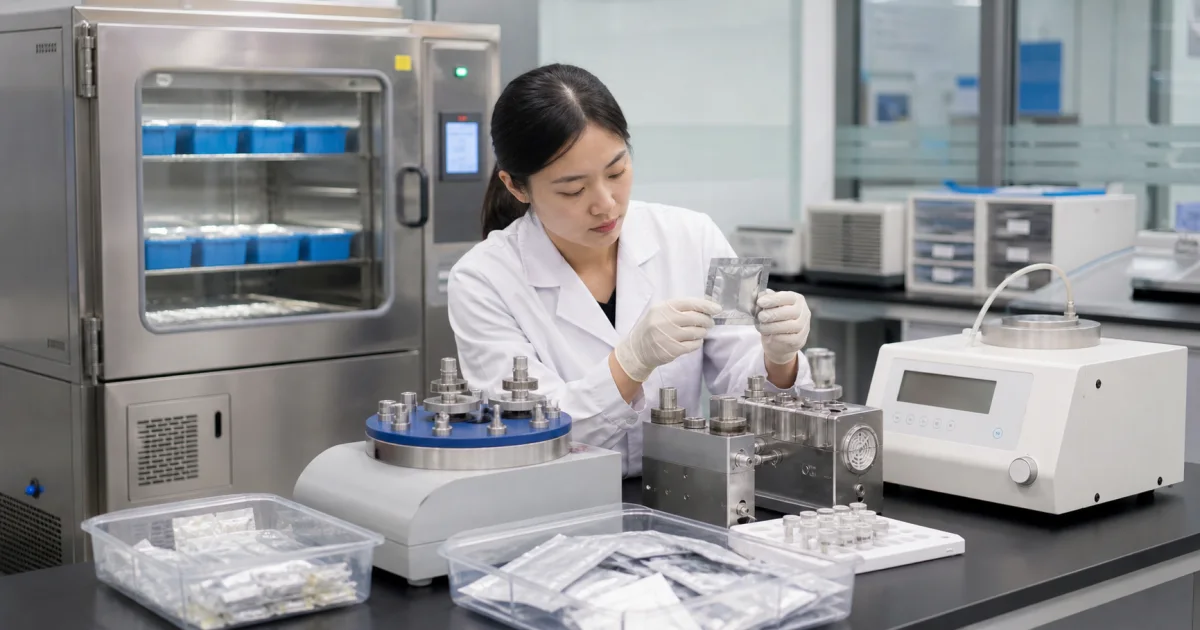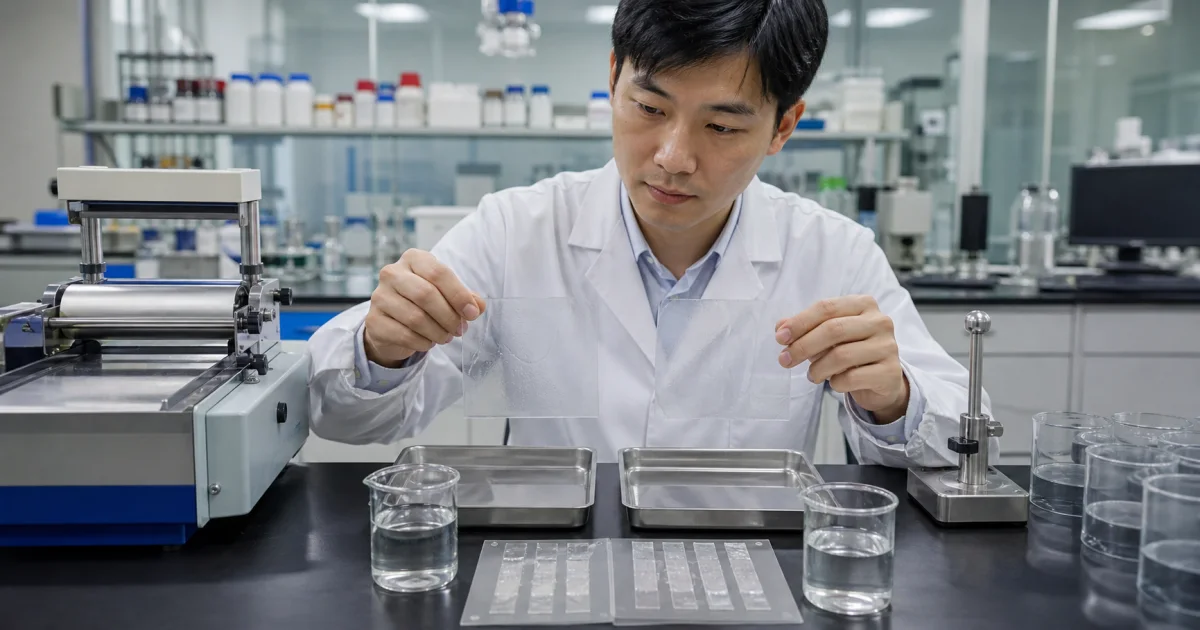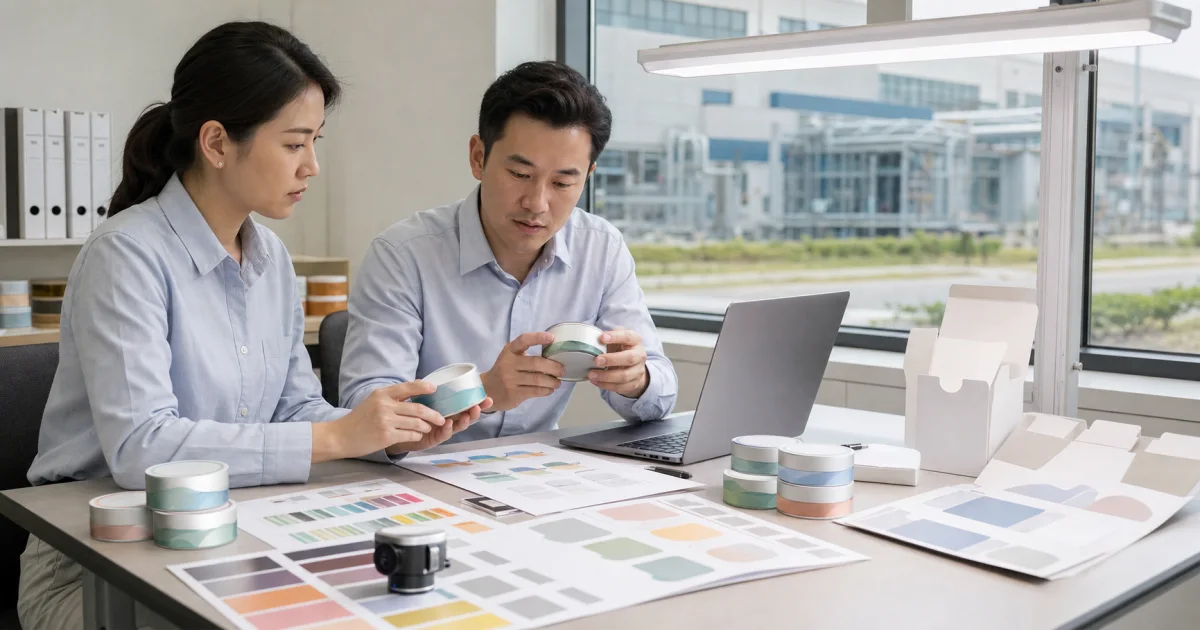
A professional request for custom oral pouch samples should test whether an OEM can reproduce your target at commercial scale. Asking only for “mint caffeine pouches” produces samples that are difficult to compare and quotations that hide important assumptions.
Updated for 2026. Use this checklist for nicotine-free caffeine, guarana and nootropic focus pouch projects.
Define the Sample Brief Before Contacting Suppliers
| Brief item | Minimum detail | Why it matters |
|---|---|---|
| Product type | Caffeine, standardized guarana or caffeine-free nootropic | Determines ingredient and compliance review |
| Active target | Amount per pouch and acceptable tolerance | Prevents misleading percentage comparisons |
| Pouch format | Mini, slim or standard; target dimensions | Affects fill weight and packaging |
| Moisture | Dry, moderate or moist plus measurable target | Controls comfort and shelf life |
| Flavor | Profile, intensity and cooling level | Makes sensory feedback actionable |
| Target market | Country, channel and positioning | Guides ingredient, label and claims screening |
Request Three Useful Sample Types
1. Benchmark sample
A stock formula reveals the supplier’s normal material, seam quality and flavor capability. It is useful for qualification but should not be mistaken for the final custom product.
2. Controlled prototype
Change one important variable at a time, such as caffeine level, pouch size or cooling intensity. A controlled series makes feedback more reliable than four completely different samples.
3. Pilot-line sample
Before a commercial order, request units produced with equipment and process settings representative of scale. Hand-made laboratory pouches may not predict fill-weight variation or seam quality.
Physical Evaluation Checklist
- Record average pouch weight, range and number tested.
- Measure dimensions and inspect seal width.
- Check powder leakage before and after gentle handling.
- Compare dry and hydrated fabric softness.
- Inspect fill distribution, clumps and hard particles.
- Check can closure, liner or seal and tamper-evidence concept.
- Photograph every sample code before testing.
Formula and Sensory Review
Use a scorecard for aroma, initial flavor, sweetness, bitterness, cooling, texture, aftertaste and perceived duration. Keep active dose blinded when possible. Document use time and stop criteria. Sensory feedback should describe the observation rather than make medical conclusions.
If the project prioritizes comfort, compare the controls in our mouth-gentle oral pouch formulation guide.
Documents to Request With Samples
| Document | Review purpose |
|---|---|
| Draft formula or ingredient list | Screen legality, allergens and label order |
| Raw-material specifications | Confirm identity, grade and active standardization |
| Representative COA | Understand routine release testing |
| Finished-product test report | Check active content, microbiology and relevant limits |
| Packaging specification | Review barrier, dimensions and decoration route |
| Stability summary | Assess the proposed shelf-life basis |
Third-Party Testing Before Approval
Send unopened coded samples from the proposed batch to an independent laboratory. The test panel should follow the formula and market, but commonly includes active assay, microbiology, moisture or water activity, heavy metals where relevant and targeted contaminants for botanical extracts.
Do not accept a generic supplier report that does not identify the finished lot. Review the laboratory name, method, units, sample description, dates and authorized result. For caffeine, see our HPLC verification checklist.
Turn Feedback Into a Revision Request
Use sample codes, measurable targets and one revision table. Replace “make it smoother” with instructions such as “reduce cooling one level, keep sweetness unchanged, and test two softer pouch materials.” Freeze approved variables so later rounds do not drift.
Commercial Questions Before the Final Sample
- What is the MOQ for stock packaging and custom decorated cans?
- Are development and analytical testing fees credited against an order?
- What changes require a new stability study?
- How are formula ownership and confidentiality handled?
- What are pilot and commercial lead times?
- Which tolerances will appear in the signed specification?
New brands can also review our low-MOQ private-label launch guide before selecting SKUs.
Frequently Asked Questions
How many sample rounds are typical?
Simple stock-formula projects may need one or two rounds. Custom formulas commonly require more, especially when packaging and stability variables change.
Should a brand pay for samples?
Reasonable development, freight and testing fees are common. The important issue is receiving a defined scope, sample codes and useful documentation.
Can a laboratory sample approve mass production?
Not by itself. A pilot-line or pre-production batch is needed to evaluate scale-related weight, blending and sealing variation.
What should be retained?
Keep sealed reference units from the approved sample and first commercial batch under controlled storage with complete records.