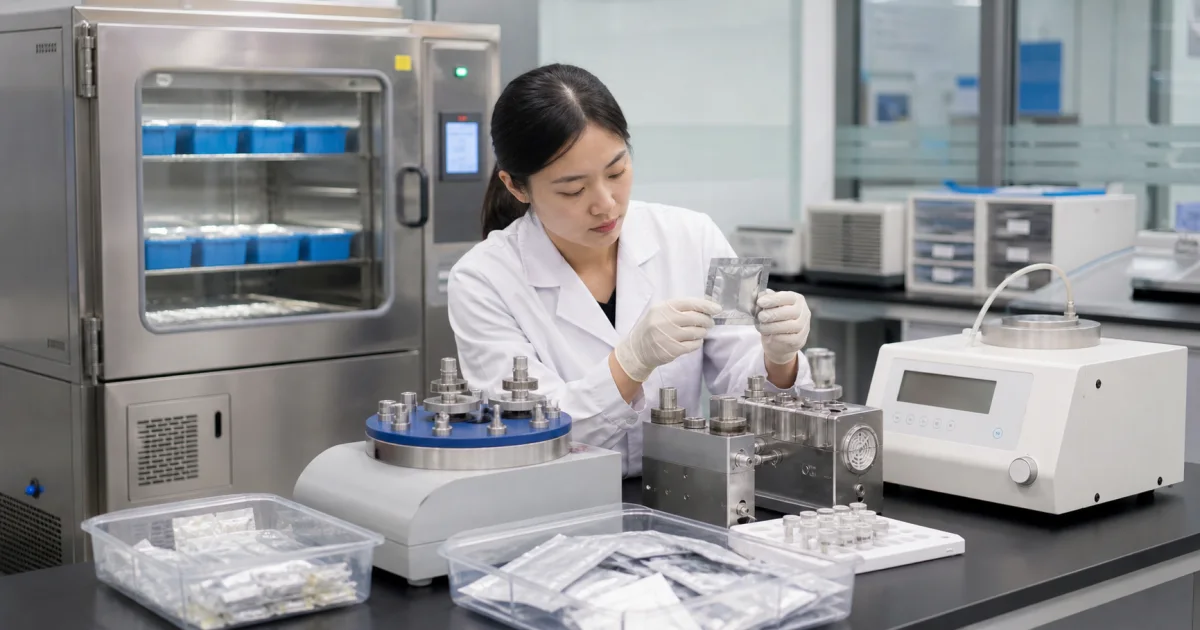
oral pouch OEM factory audit is a practical sourcing and quality topic for private-label buyers. An oral pouch OEM factory audit should test whether marketing promises are supported by controlled operations. Buyers sourcing nicotine-free caffeine, guarana or nootropic products need evidence from material receipt through blending, filling, packaging, release and complaint handling.
Updated for 2026. This guide focuses on nicotine-free products and should be used with qualified regulatory, laboratory and quality advice for the destination market.
Quick Planning Table
| Control area | Development objective | Buyer check |
|---|---|---|
| Quality system | Approved procedures, training and records | Sample current controlled documents |
| Supplier controls | Qualification, specifications and incoming checks | Trace one active and one packaging material |
| Process controls | Defined mixing, filling and sealing limits | Review batch records and line clearance |
| Laboratory | Suitable methods, calibration and sampling | Follow one result back to raw data |
| Traceability | Lot links from materials to shipment | Perform a mock trace exercise |
| Hygiene | Zoning, cleaning and environmental controls | Inspect actual line condition |
| Packaging | Artwork, coding and seal controls | Check obsolete-material segregation |
| CAPA | Deviation, complaint and corrective-action system | Review closure evidence and effectiveness |
Why This Matters for Private Label Projects
Small differences that look acceptable in a prototype can become costly at commercial scale. The approved brief should translate product intent into measurable specifications, sampling rules and packaging requirements. Buyers should ask which attributes are controlled during production, which are tested at release, and which are monitored through shelf life.
A supplier statement is useful only when it is traceable to the relevant material, method, lot and acceptance criterion. Keep approved samples and signed specifications so later batches can be compared against the same reference.
Testing and Documentation Checklist
- Request an audit agenda and product scope in advance.
- Observe a representative line whenever possible.
- Interview operators as well as managers.
- Record objective evidence and document references.
- Grade findings by product and compliance risk.
- Set owners and deadlines for corrective actions.
How to Review Supplier Evidence
Check the sample description, lot number, manufacturing and test dates, units, methods, results, limits and authorizing laboratory. Clarify whether a result represents raw material, bulk blend, composite sample or individual finished units. When commercial risk warrants it, send sealed units from the intended lot to an independent laboratory.
Common Buyer Mistakes
- Treating certificates as a substitute for an audit.
- Inspecting a demonstration room instead of the commercial line.
- Ignoring outsourced laboratories or packaging operations.
- Accepting corrective-action promises without evidence.
From Sample to Commercial Batch
- Define target market, product classification and responsible reviewer.
- Approve measurable formula, format and packaging requirements.
- Evaluate coded samples using a consistent scorecard.
- Confirm methods and acceptance criteria before production.
- Approve a representative pilot or pre-production batch.
- Review release documents and retain sealed reference units.
- Monitor stability, complaints and changes after launch.
Questions to Ask the OEM
| Question | Strong evidence |
|---|---|
| How is variation controlled? | Defined process limits, in-process records and trend review |
| How is the lot sampled? | Written plan covering representative times and locations |
| What is tested at release? | Signed specification and lot-specific COA |
| How are changes handled? | Documented change control with buyer notification criteria |
| What supports shelf life? | Stability data for the final formula and packaging |
Related resources: private-label sourcing guide, sample testing checklist, low-MOQ launch guide.
Frequently Asked Questions
Can a raw-material COA approve the finished product?
No. Raw-material data supports ingredient control, while the finished product needs its own justified specifications and testing.
Should every batch use the same tests?
Routine release testing should follow the approved control strategy. Additional risk-based or periodic tests may also be appropriate.
Does a pilot sample guarantee commercial consistency?
No. Scale, equipment, packaging and processing can change variation. Representative commercial controls and release data are still required.
Can one specification be used for every country?
Not automatically. Formula, limits, labels, warnings, methods and documents may need market-specific review.