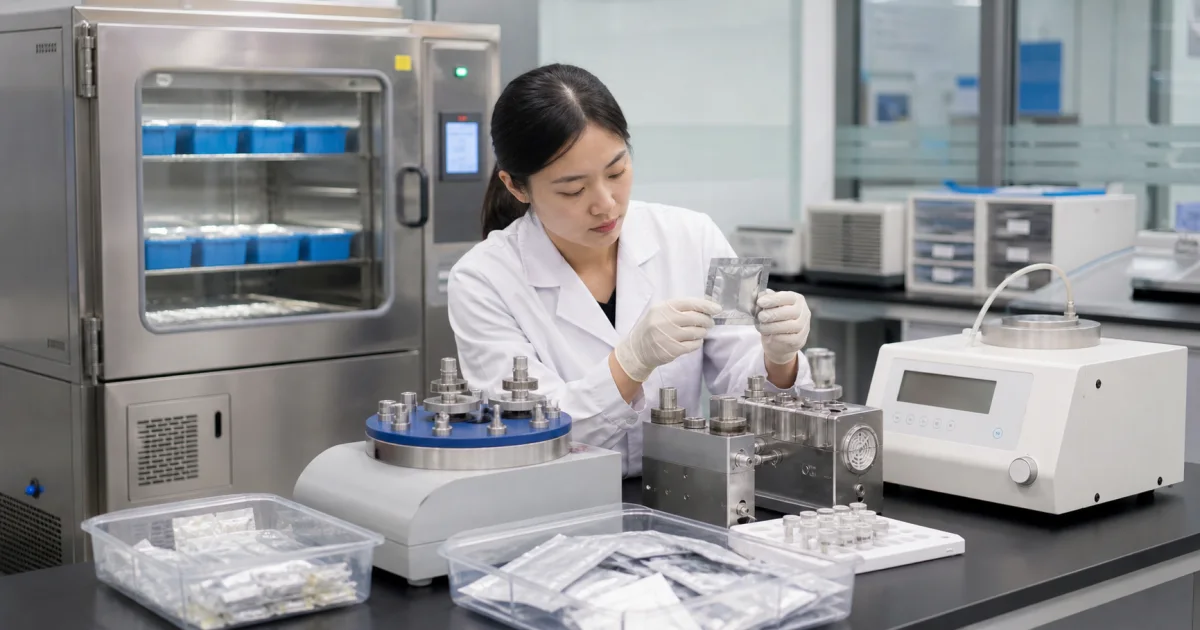
Choosing a private label nicotine pouch manufacturer is more than comparing a price list. The right partner must translate a brand concept into a repeatable formula, a consistent pouch and compliant market-ready packaging. This guide explains the questions buyers should ask before sampling or placing an OEM order.
What does a private label nicotine pouch manufacturer provide?
A private label or OEM partner manufactures pouches that are sold under the customer’s brand. Depending on the project, the scope can include formula development, flavor matching, pouch material selection, filling, can sourcing, label printing, batch documentation and export support. Some projects start with an existing base formula; others require a more customized ODM process.
Define the scope in writing. A clear brief should state the target market, nicotine type, strength expression, pouch weight, moisture level, flavor profile, can count and packaging language. This prevents a quotation for a standard product from being mistaken for a fully customized program.
How to compare formulation capabilities
Ask whether the supplier can control the variables that shape the user experience: pouch size, net weight, pH, moisture, flavor release and ingredient distribution. A specification should state tolerances rather than only target values. For nicotine products, also clarify whether the project uses tobacco-derived or synthetic nicotine and whether that ingredient is permitted in the destination market.
Sampling should follow a written scorecard. Evaluate aroma, initial flavor, release curve, mouthfeel, leakage, pouch integrity and stability. Keep a retained reference sample so that the approved standard can be compared with commercial batches.
Quality documents buyers should request
A professional sourcing review commonly includes the ingredient specification, certificate of analysis, safety data where applicable, microbiological limits, allergen statement, manufacturing quality system information and batch traceability procedure. Required documents vary by country and product classification, so buyers should confirm requirements with qualified local regulatory counsel.
- Request a batch-specific certificate of analysis rather than a generic template.
- Confirm how raw materials, packaging and finished goods are lot-coded.
- Ask how deviations, complaints and product recalls are handled.
- Agree on shelf-life testing and storage conditions before launch.
MOQ, lead time and commercial planning
Minimum order quantity depends on formula complexity, printed packaging, can color and production changeover. A low unit price may require a large packaging commitment, while a pilot order may use stock cans with labels. Compare the total landed project cost, including sampling, printing plates, freight, testing and unused packaging inventory.
Lead time should be separated into development, packaging proof approval, material procurement and production. Build additional time for regulatory review and international shipping. A realistic schedule is more useful than a fast headline estimate.
Packaging and brand differentiation
Packaging must protect the pouches and communicate required information clearly. Discuss can seal performance, label adhesion, color consistency, barcode placement, batch coding and child-resistant expectations where relevant. Artwork should leave room for ingredients, warnings, responsible-use statements and local importer details.
For alternative formats, explore breaker pouches, capsule pouches and custom pouch cans and jars.
Questions to put in your RFQ
Include the intended country, desired launch date, estimated annual volume and testing requirements. Ask for the sample process, commercial tolerances, payment terms, change-control procedure and ownership of custom artwork or formulas. For adult nicotine products, brand owners must also plan age-gating, responsible marketing and applicable warning language. Nicotine is addictive and these products are not for minors, pregnant or breastfeeding people, or non-users.
Talk to an oral pouch manufacturing specialist
Every market, formula and brand brief is different. Linkbiolabs supports product development, sampling, packaging coordination and commercial production for oral pouch projects. Contact our team with your target market, pouch type, preferred ingredients, flavor direction and estimated order volume for a project-specific discussion.