Caffeine ODF can extend a functional beverage brand into a portable water-free format, but the film should be developed as a distinct regulated product rather than a dehydrated copy of the drink formula.
This 2026 guide is for private-label buyers, importers and product teams. It is educational rather than medical advice. All oral pouch concepts discussed are nicotine-free and tobacco-free.
Quick technical decision table
| Development area | Decision | Evidence |
|---|---|---|
| Formula | Ingredient fit and target amount | Specification and feasibility review |
| Process | Critical parameters and limits | Pilot records and in-process data |
| Quality | Label-to-product consistency | Assay, uniformity and stability |
| Market | Classification and claims | Destination-market review |
Translating the brand
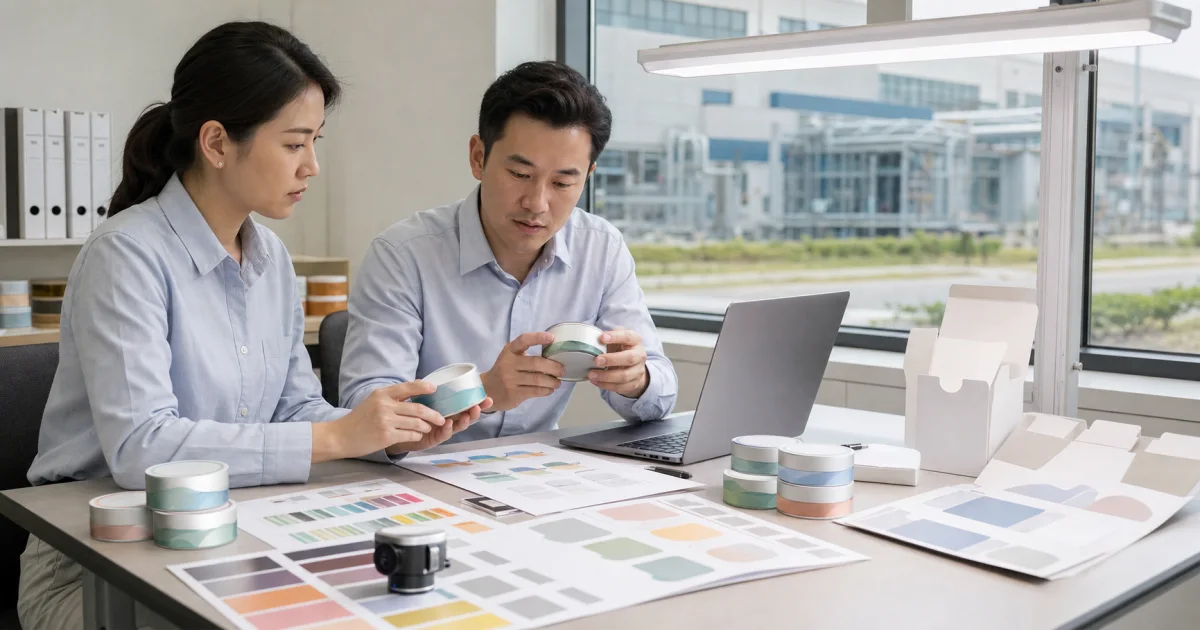
Preserve recognizable flavor, color and visual identity while redesigning the active system for film capacity and taste. Ingredients that work in a 250 ml drink may be too bulky, acidic, insoluble or bitter for a thin strip.
Dose and portfolio planning
Choose a transparent caffeine amount per film and decide whether the strip complements or replaces a beverage occasion. Packaging and marketing should reduce the risk of consumers stacking multiple caffeinated products unknowingly.
OEM launch path
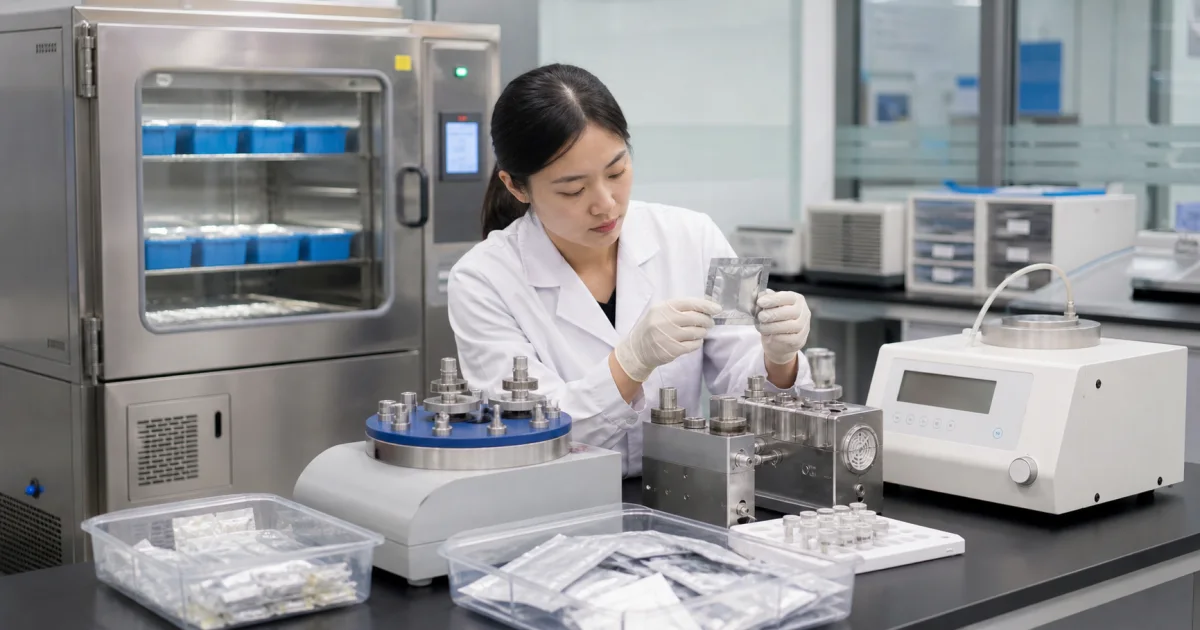
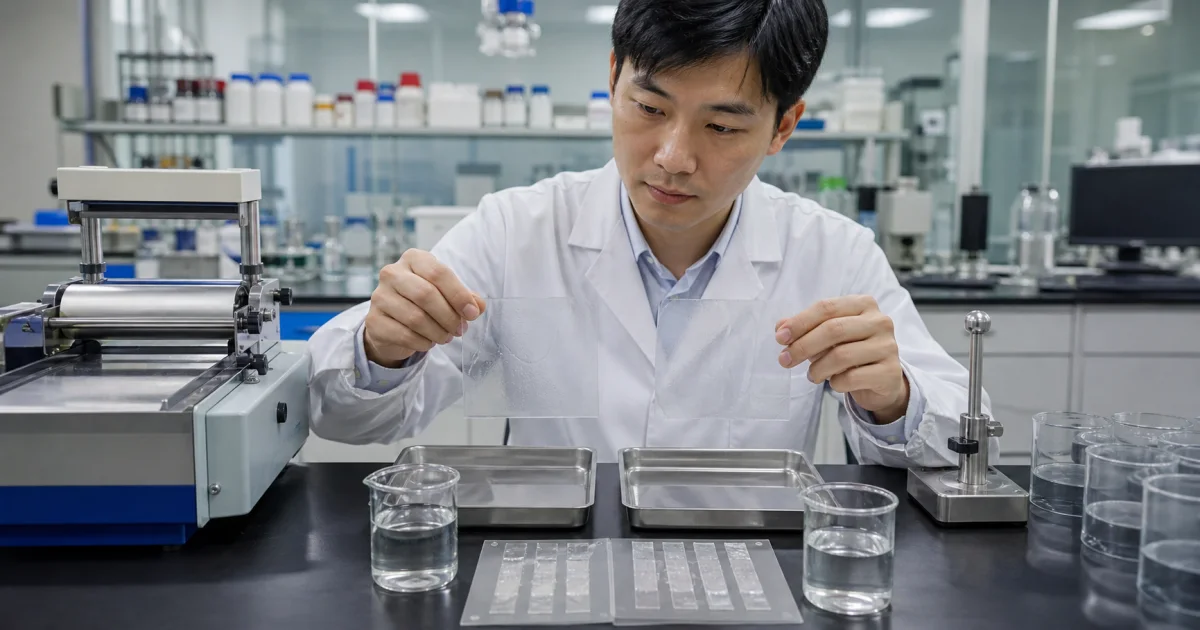
Create a target product profile, confirm market classification, screen feasibility, make taste-masked prototypes, run pilot coating and complete assay, uniformity, disintegration and stability work before printing commercial sachets.
OEM buyer checklist
- Confirm ingredient permission and product classification in each target market.
- Approve measurable formula, process and finished-product specifications.
- Review raw-material identity, purity, allergens and contaminant controls.
- Validate unit uniformity, microbiology, packaging and shelf life.
- Complete claims and artwork review before commercial printing.
Frequently Asked Questions
Can one specification be used in every country?
No. Ingredient, dose, label, warning and claim rules differ by market.
What makes an OEM sample ready for scale-up?
The sample must match an approved written specification and pass relevant analytical, sensory and packaging checks.
Should brands promise faster absorption?
Only when product-specific evidence supports the exact claim and local rules permit it.
Where can buyers learn more?
Review the 2026 sourcing guide, the ODF manufacturing guide, Caffeine ODF and OEM consultation.
Compliance note: Regulations can change. Verify current requirements before manufacture, import or sale.