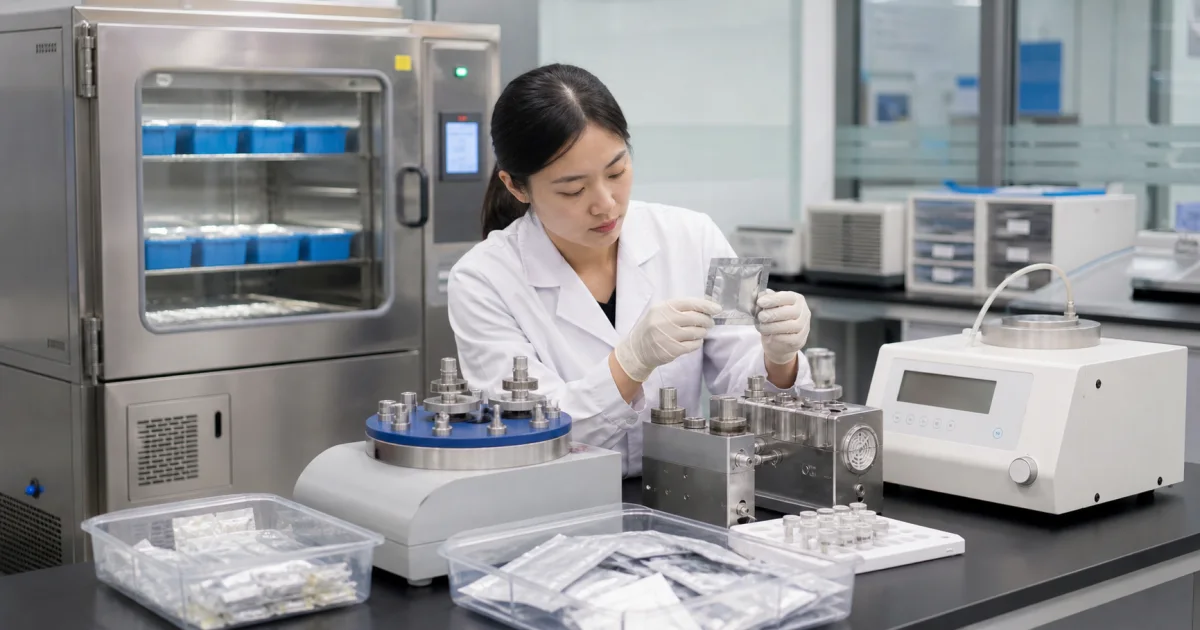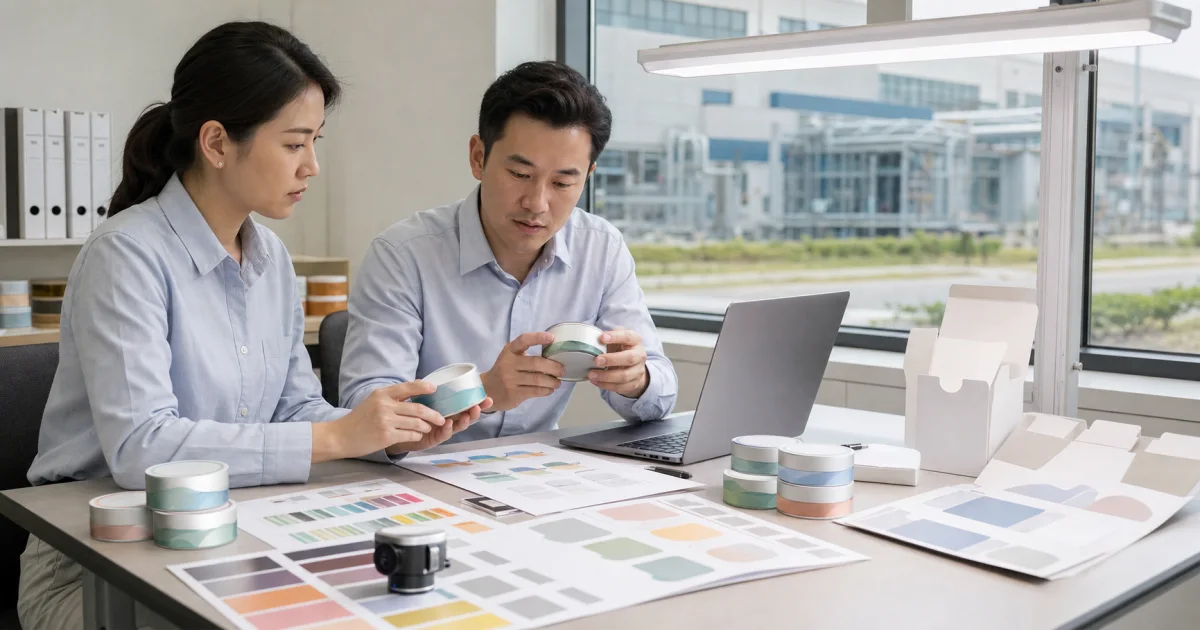
An oral pouch sensory testing protocol converts subjective comments such as “too wet,” “too strong” or “flavor disappears quickly” into structured data that an OEM team can use. The best protocol separates product attributes, controls test conditions and evaluates samples at defined time points. This prevents a brand from approving a prototype based on one person’s first impression.
This article concerns nicotine-free functional oral pouches. It is intended for product-development and quality teams, not as medical or consumer-use advice.
Which attributes should a pouch panel score?
| Attribute | Suggested time points | What to record |
|---|---|---|
| Initial feel | 0–1 minute | Size, softness, edge feel and placement stability |
| Flavor onset | 1–5 minutes | Speed, clarity and balance |
| Oral sensation | 5–20 minutes | Cooling, warming, acidity or unwanted irritation |
| Drip | 5, 10, 20 and 30 minutes | External wetness and perceived liquid release |
| Flavor longevity | 10–30 minutes | Intensity decay and off-note development |
| After-feel | After removal | Residue, dryness and lingering flavor |
Build the panel around the development decision
A screening panel and a final validation panel serve different purposes. Early screening may compare several sweetener, cooling or moisture systems quickly. Final validation should use the intended pouch material, fill weight, production process and packaging. A prototype made by hand can behave differently from a machine-filled commercial pouch.
The scorecard should ask one question per attribute. Combining “comfort and flavor” into one score hides the reason a sample failed. Use anchored scales with plain descriptions—for example, no external wetness at one end and continuous wetness at the other.
Control the test conditions
Panelists should receive coded samples in randomized order. Room conditions, sample temperature, conditioning time and water access should be consistent. Strong food, coffee, fragrance or oral-care products immediately before the panel may change perception. A washout period between samples reduces carryover.
Do not overload each session. Fatigue reduces discrimination, especially with mint, acidic fruit or high-intensity sweetener systems. The panel leader should record deviations, adverse observations and incomplete evaluations rather than forcing every score into the dataset.
Combine sensory results with physical measurements
Sensory data is stronger when paired with fill-weight variation, pouch dimensions, moisture, water activity, pH and seam inspection. If one sample receives inconsistent drip scores, the cause may be unit-weight variation or a fabric lot difference rather than panel noise.
Flavor longevity can also be compared with extraction or release-profile work when an analytical marker is available. Sensory testing shows what people perceive; analytical testing helps explain why batches differ.
How many panelists are enough?
There is no universal number. A small trained internal panel can be useful for formulation screening, while a larger controlled study is needed for consumer-preference conclusions. The protocol, training and repeatability matter as much as the headcount. Brands should avoid presenting a small informal panel as broad consumer evidence.
Private-label sample approval checklist
- Confirm that all samples use coded, blinded identifiers.
- Define the target and rejection limit for each critical attribute.
- Include a reference product or approved control when appropriate.
- Record sample batch, age, storage condition and packaging.
- Review outliers before averaging results.
- Repeat the panel with pilot-line samples before commercial approval.
Frequently asked questions
Can a brand owner perform the panel without the manufacturer?
Yes, but the OEM should provide sample traceability and a consistent test plan so results can be connected to formulation and process changes.
Should panelists know the flavor name?
Blind coding is usually better for comparative development because names and expectations can influence scores.
Is “gum comfort” a medical claim?
Comfort can be evaluated as a sensory attribute, but marketing language must be reviewed for the target market and should not imply treatment or guaranteed safety.
Related resources: custom sample testing checklist, mouth-gentle formulation guide and private-label development support.