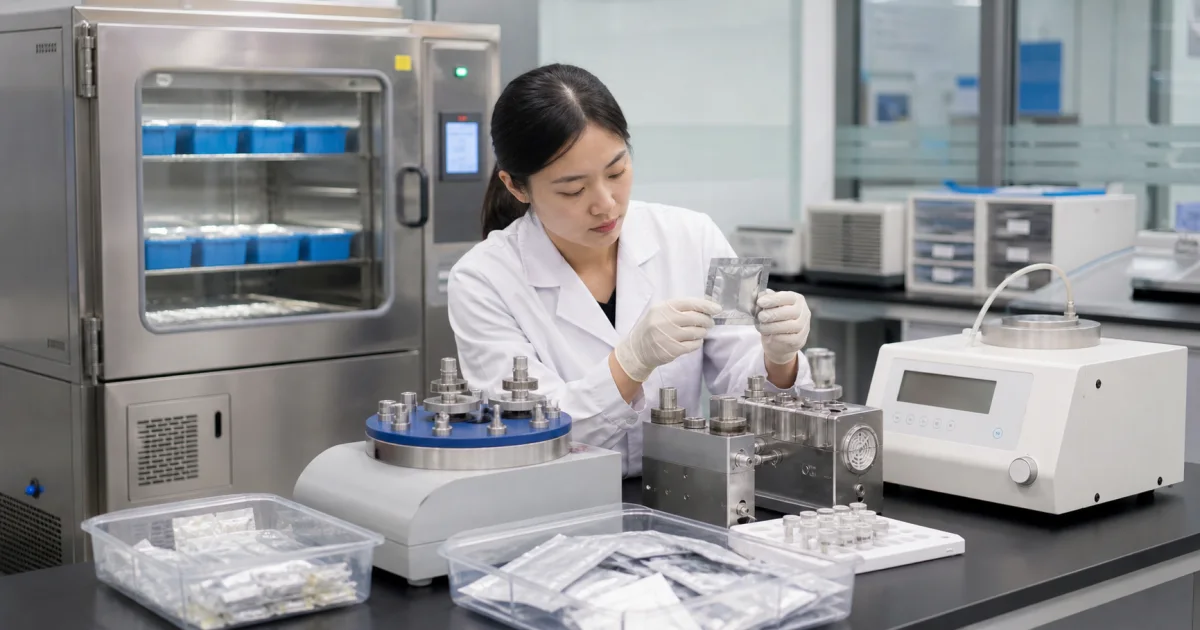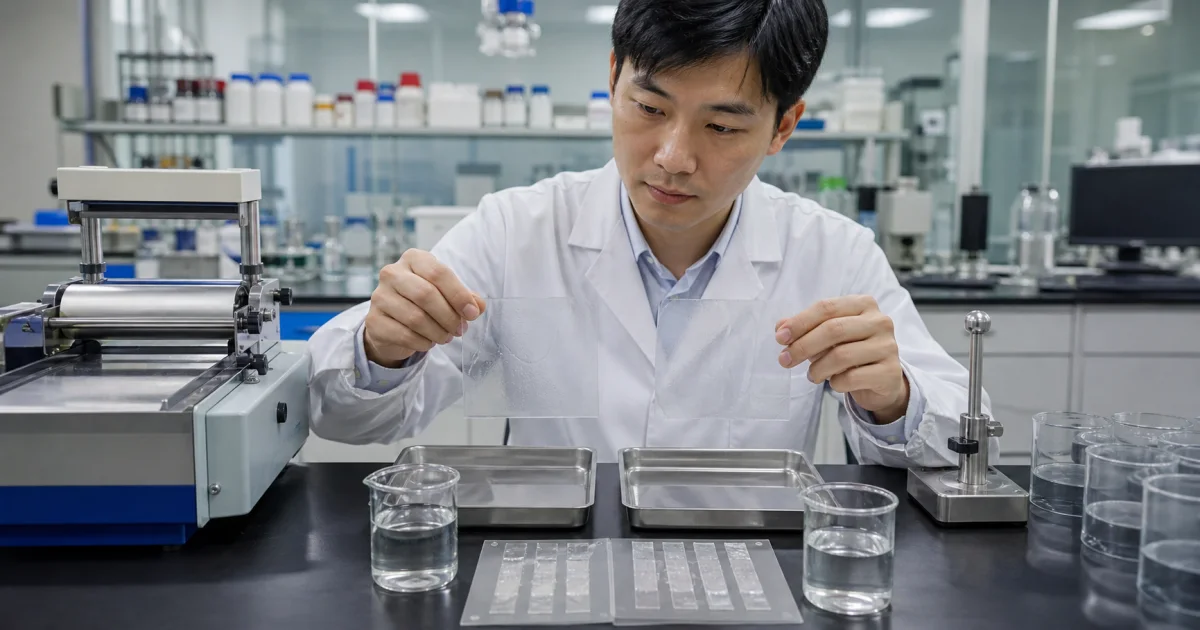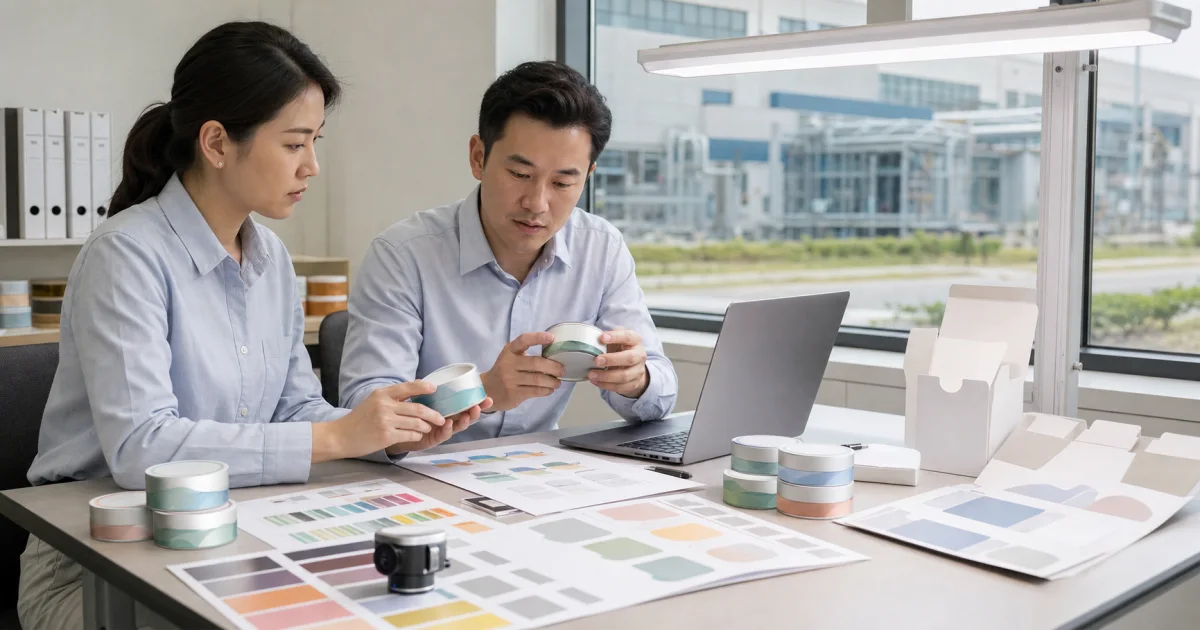
ODF cross-contamination control prevents residues from one orodispersible film product from carrying into the next product manufactured on shared equipment. Caffeine, melatonin, flavors, colors and botanical ingredients can remain on mixers, transfer lines, coating heads, dryers, rollers and cutting equipment. A documented cleaning-validation program should demonstrate that the changeover method consistently reduces residues to scientifically justified limits.
Why oral film equipment creates difficult cleaning locations
Polymer solutions can dry into thin, strongly adhering layers. Product may enter gaskets, valve seats, spray zones, coating gaps and roller edges. Transparent residue can be difficult to see, while flavors may remain detectable even after the active ingredient is removed.
Cleaning difficulty depends on solubility, concentration, batch size, hold time and equipment design. The hardest-to-clean product or location may not be the product with the highest dose.
Cleaning program elements
| Element | Purpose | Evidence |
|---|---|---|
| Equipment mapping | Identifies product-contact and hard-to-clean areas | Diagrams and sampling-location rationale |
| Cleaning procedure | Defines disassembly, agents, time and rinse steps | Approved controlled instruction |
| Residue limit | Defines acceptable carryover | Documented scientific and regulatory rationale |
| Swab or rinse method | Collects residues from selected surfaces | Recovery and method-suitability data |
| Analytical method | Measures target residue at required sensitivity | Specificity, accuracy and quantitation capability |
| Visual inspection | Detects visible film, color or damage | Defined lighting and acceptance criteria |
Choose worst cases systematically
A risk assessment can consider potency, cleanability, solubility, toxicity, color, flavor persistence and batch sequence. Caffeine may be analytically convenient to detect, while a sticky polymer or strong flavor could be harder to remove. Melatonin and other low-dose actives may require sensitive methods.
Worst-case equipment locations often include dead legs, rough surfaces, seals and parts that are difficult to disassemble. Sampling only large flat stainless areas can overestimate cleaning performance.
Validate swab recovery
A swab result is meaningful only when the method can recover residue from the actual surface. Recovery studies apply known amounts to representative stainless steel, polymer, gasket or roller materials, then measure what the sampling procedure collects.
Swab area, solvent, pressure, pattern and sample hold time should be controlled. Rinse samples can cover inaccessible systems but may dilute local contamination; the two approaches may be complementary.
Control product changeover
The procedure should define equipment shutdown, dirty hold time, disassembly, pre-rinse, cleaning-agent concentration, contact time, final rinse, drying and reassembly. Longer dirty hold time can allow polymer residue to harden and may require a separate challenge.
Line clearance also prevents mix-ups involving printed sachets, labels, rolls and batch documents. Cleaning validation does not replace packaging-material reconciliation.
Monitor routine cleaning after validation
Validated cleaning requires trained operators, calibrated tools, controlled agents and ongoing verification. Deviations, difficult residues and repeated failures should feed into preventive maintenance and revalidation. New products, formula changes or equipment modifications may require risk reassessment.
OEM buyer checklist
- Review the shared-equipment and product-sequencing strategy.
- Confirm scientifically justified residue limits.
- Include hard-to-clean surfaces and materials in recovery studies.
- Use analytical methods sensitive enough for the limits.
- Challenge maximum dirty hold time and cleaning hold time.
- Verify drying, line clearance and packaging reconciliation.
- Define triggers for revalidation after product or equipment changes.
Frequently asked questions
Is visual cleanliness enough?
No. Visual inspection is important but may not detect low-level active or flavor residue.
Can one cleaning method cover every ODF formula?
Only when the validation and worst-case rationale support the range of products and soils.
Does dedicated equipment eliminate all cross-contamination risk?
It reduces some risks, but material flow, personnel, air handling and packaging controls still require management.
Continue with our ODF manufacturing guide, melatonin ODF supplier checklist, caffeine ODF formulation guide and process-transfer checklist.
Compliance note: residue limits and validation expectations depend on product classification, risk assessment and applicable quality requirements.