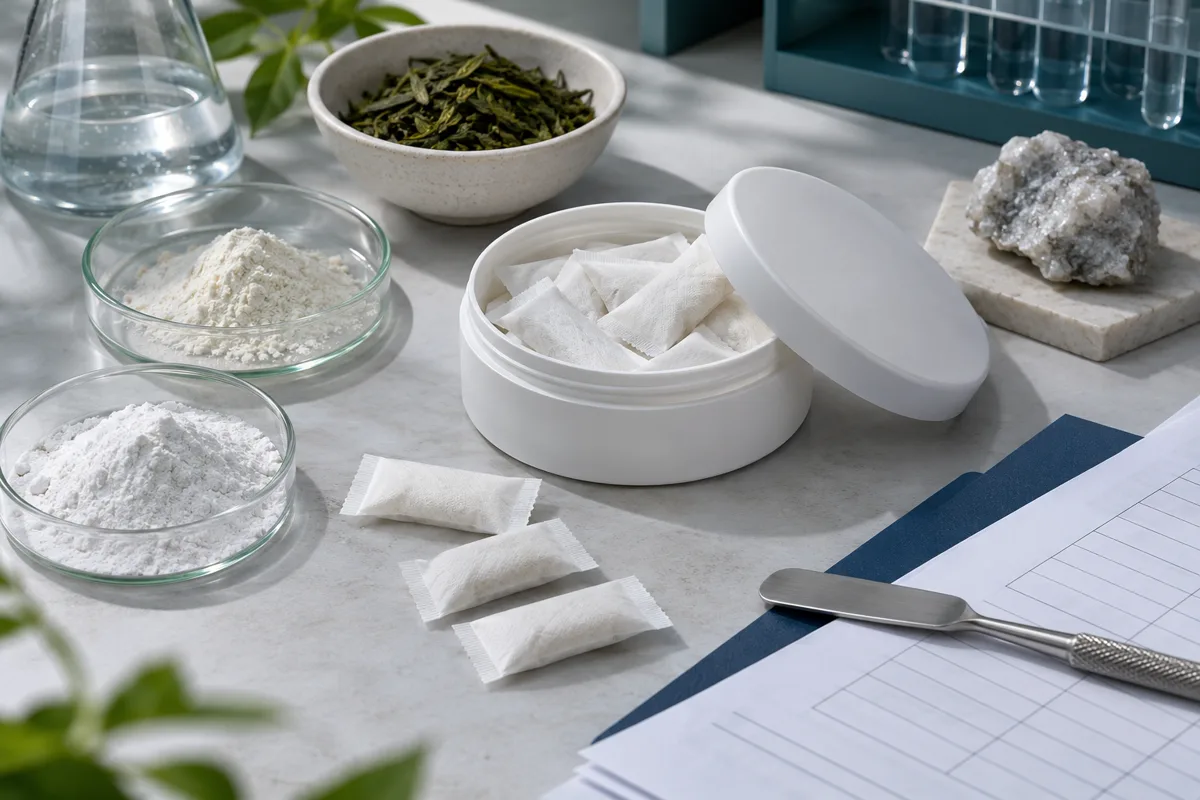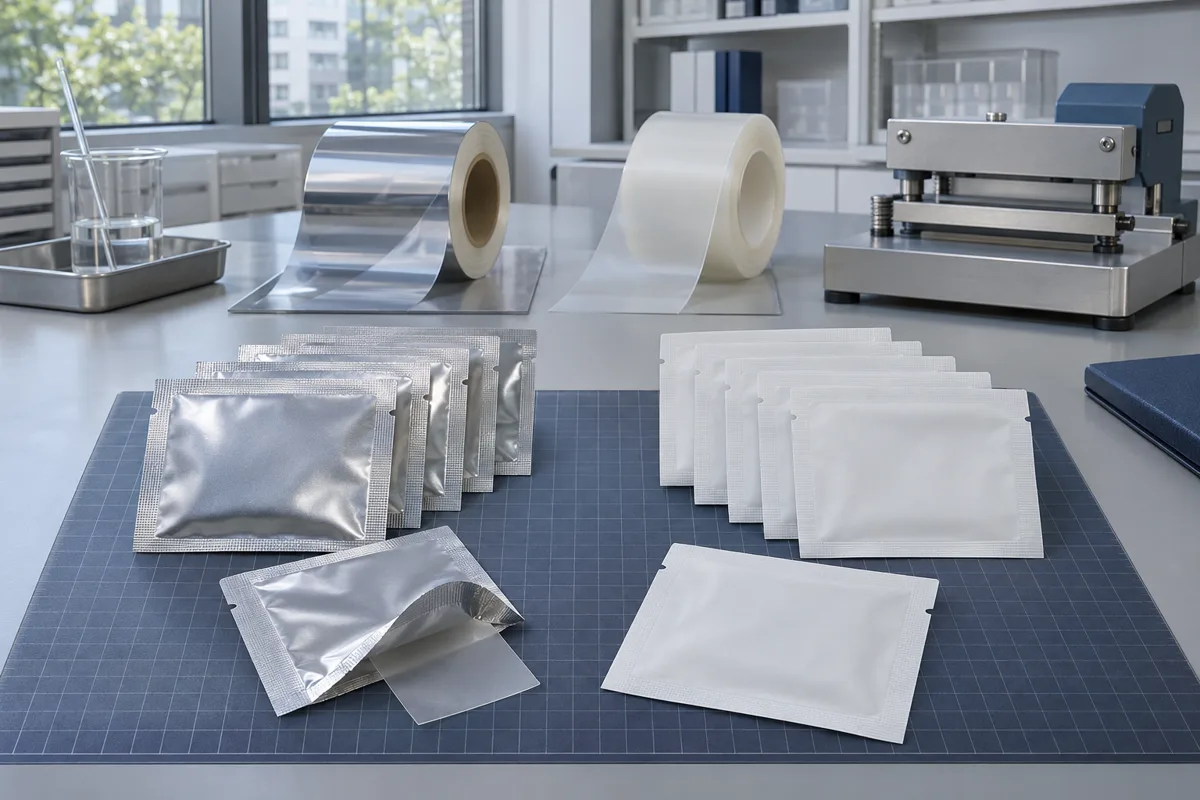

A pilot batch that meets content specifications can still conceal an expensive material loss. Yield reconciliation connects weighed blend to filled pouches and saleable cans. The useful record explains where material went instead of forcing every difference into an unexplained waste figure.
Editorial scope: technical development and supplier review. Published 16 November 2026. The study and control suggestions below are not reported results from this supplier.
Keep material and unit balances separate
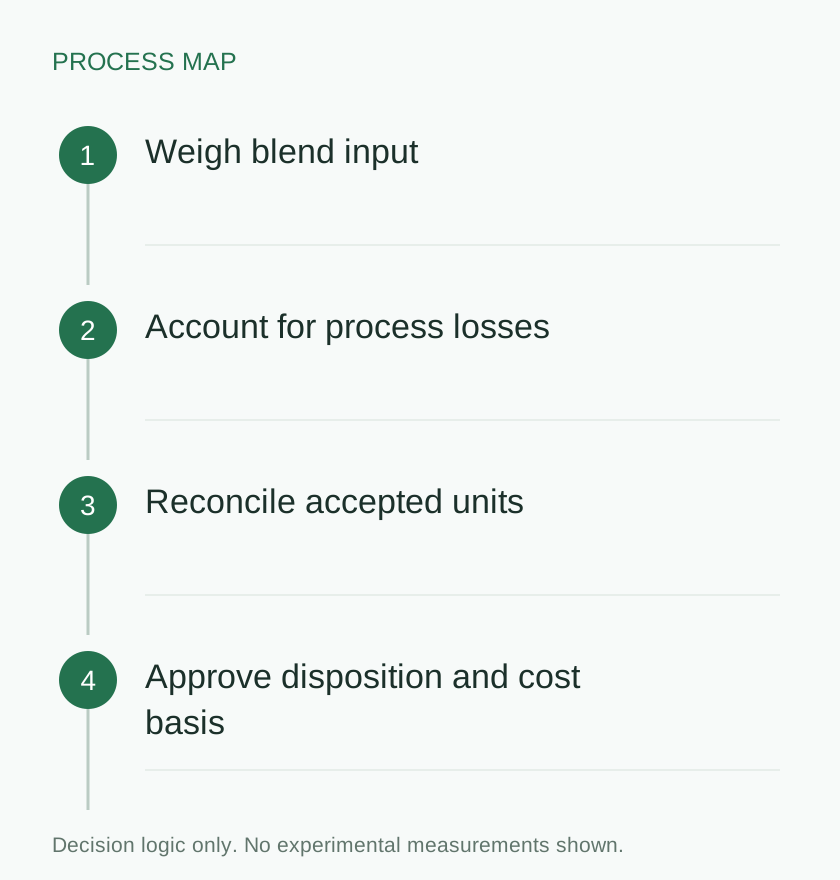
Track blend mass through mixing, transfer, filling and cleaning. Separately track pouch count, rejected pouches, samples, partially packed cans and released cans. Can count multiplied by a nominal fill weight is an estimate, not a substitute for measured transfers. Packaging material and nonwoven belong in their own records so they do not inflate active-blend yield.
Identify losses at the operation that caused them
Collect start-up waste, hopper residue, seam rejects and inspection rejects separately where practical. Record the reason and whether the material is eligible for any defined reprocessing route. Reintroducing rejected material without an approved instruction can change uniformity, traceability and exposure history. A high yield is not a reason to bypass a quality decision.
Use the pilot to improve the next quotation
For arithmetic only, 10 kg charged and 8.8 kg accepted as filled product give an 88% mass yield before packaging rejects. The remaining 1.2 kg still needs a disposition record. That example is not a factory performance claim. Compare yields at the same accounting boundary, then identify whether an equipment change, batch size or transfer method might reduce a particular loss.
Development review checklist
- Define input mass and accepted-output boundaries.
- Record samples and destructive tests as planned uses.
- Segregate rejects by process stage and reason.
- Reconcile mass and unit counts independently.
- Approve any rework instruction before use.
Buyer questions
Is manufacturing yield the same as the proportion of cans released?
No. Mass yield and finished-unit release yield have different denominators.
Do laboratory samples count as unexplained loss?
They should be recorded as a planned material use with quantities and identifiers.
Can hopper residue always go into the next batch?
No. Any reuse needs an approved procedure addressing identity, history, uniformity and contamination risk.
Does a smaller pilot reliably predict commercial yield?
Not necessarily. Transfer surfaces, hold times and start-up losses may scale differently.
Why compare actual fill with a target weight?
The comparison can reveal overfill and economic loss, but content compliance must still be assessed independently.
Which yield belongs in an OEM cost discussion?
Use the agreed saleable-output boundary and disclose exclusions, sampling and rejected material rather than quoting an isolated best run.
References and scope
- FDA: Small Entity Compliance Guide, Dietary Supplement CGMP
Specifications and production records where dietary-supplement classification applies; not automatic classification of every oral pouch.
- FDA: ICH Q2(R2), Validation of Analytical Procedures
Fit-for-purpose analytical validation framework; pharmaceutical guidance used as technical background, not a certification for these products.
Discuss the specification and evidence needed for your project. Send the intended use, destination market and the attribute you need to verify. Commercial capability and acceptance criteria require a project-specific agreement.